

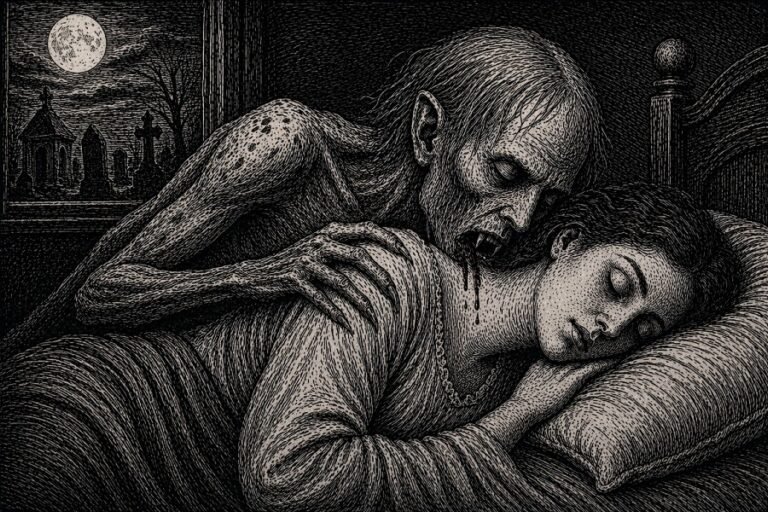
Today, the word vampire conjures images that have almost nothing to do with the original definition. Creatures who fall in love, brood, and philosophize. Yes, they drink blood, but more as a signature than a necessity.
Let’s strip away the storytelling, the cinema, the reinvention, even the folklore. Turn instead to the most neutral record we have: dictionaries and encyclopedias.
What’s left is far from romantic. And far more monstrous.
A Core Definition
Strip the definitions down and the same traits surface repeatedly.
A vampire is:
- Is a reanimated or revenant dead person
- Leaves the grave
- Emerges at night
- Targets sleeping people
- Bites the neck
- Feeds on the blood of the living
That’s about as compact as the definition gets. The foundation on which every flourish and embellishment is built.
Dead or Undead?
Undead is defined as dead but still animate. So, by definition, a vampire is an undead human. Unequivocally. Not created by a virus outbreak. Not alien. Not interdimensional. Not another species.
The major dictionaries are aligned:
- The reanimated body of a dead person (Merriam-Webster)
- A reanimated corpse (Collins)
- A dead person who leaves their grave (Oxford)
The traditional vampire was a human that died, was buried, and rose again.
A Creature of the Night
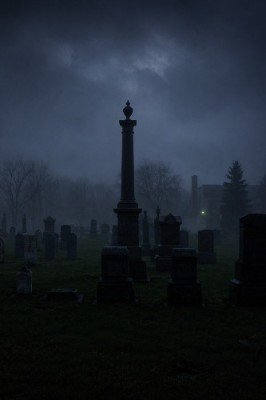
Across dictionary entries, one detail repeats: vampires rise from the grave at night. Being a creature of the night isn’t atmosphere. It’s their nature.
Blood as Sustenance
A vampire feeds by drinking or sucking the blood of the living. The feeding is physical and fresh. No stored blood. No blood wine. And no mention of eating or drinking as humans do.
The Sleeping Victim
The vampire doesn’t stalk or seduce. It waits until the victim is defenseless. The feeding happens at night while the victim sleeps.
The Teeth
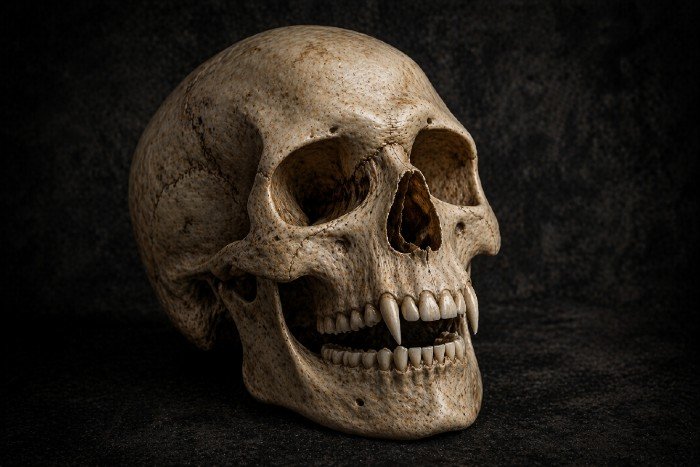
Elongated canines do the work. Not rows of fangs, not a mouth of needles, and certainly no bottom teeth. Two canine teeth. One on each side flanking the upper four incisors.
Deadly?
Yes and no. The definitions rarely describe immediate death. More often, the victim’s fate goes unmentioned. When it is mentioned, the human “wastes away” over time, which can kill them if no one intervenes.
What the Vampire Is Not
- Romantic
- Seductive
- Aristocratic
- A throat-ripping monster
These came later, from the Victorian era and the rise of horror fiction.
Where That Leaves Us
The original vampire was not elegant. Not seductive. Not Casanova. Instead, it was a walking corpse. A violation of death itself.
A predator who takes what it needs from the unsuspecting as they sleep.
Future posts will explore the embellishment of fiction, folklore, and everything in between.